
Between Wool and Soil
Brunello Cucinelli, Solomeo, and the Capitalism Trying to Save Its Own Soul

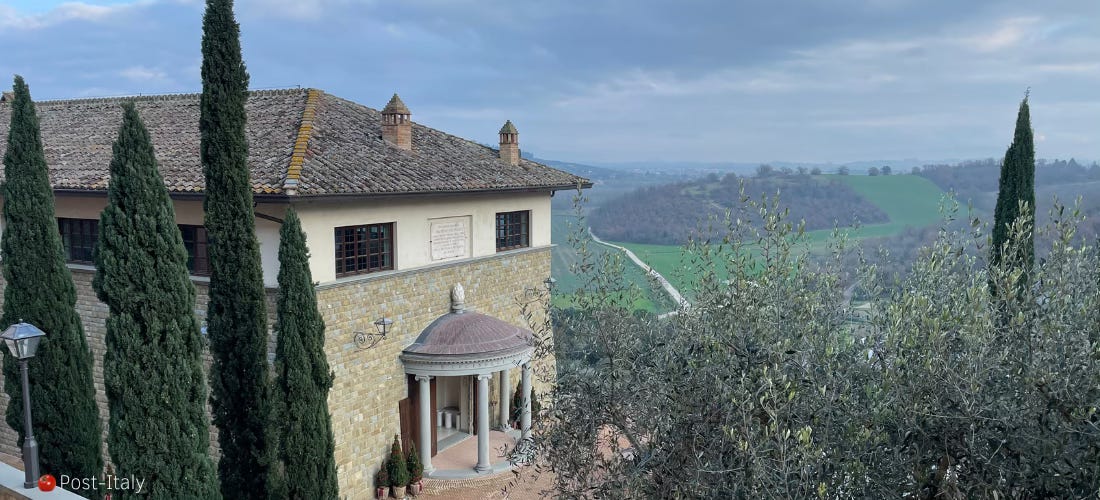
Giuseppe Tornatore’s new film about Brunello Cucinelli, which has just arrived in Italian cinemas, feels like an open window onto a discreet utopia: the village of Solomeo, in Umbria, presented as the living stage of a form of capitalism that insists on imagining itself as human. Two inconcilable words?
Perhaps the name Cucinelli won’t ring a bell for foreigners. He is one of Italy’s most admired entrepreneurs and built a publicly traded empire. Because of this, he’s often labeled “the cashmere billionaire.”
Wealth, however, is only one of the most visible facets of his public persona. The more discreet one can be summed up with a phrase he himself declares as the leitmotif of his company: “beauty will save the world,” attributed to Dostoevsky.
On screen, Cucinelli appears as a self-made man, an artisan of himself — and of a narrative in which fashion serves less to dress bodies and more to recover an ancient, almost pastoral ethic.
But what kind of capitalism is this, one that claims a philosophical sheen for itself? And above all: what does this story reveal about a sector — wool and cashmere — in which opposing models of relationships with land, people, and power coexist?
Here comes the uncomfortable contrast: while Cucinelli films the parable of a capitalism with a soul, in Patagonia a controversy resurfaces involving another Italian entrepreneurial family and lands claimed by Mapuche communities.
Solomeo, his personal experiment
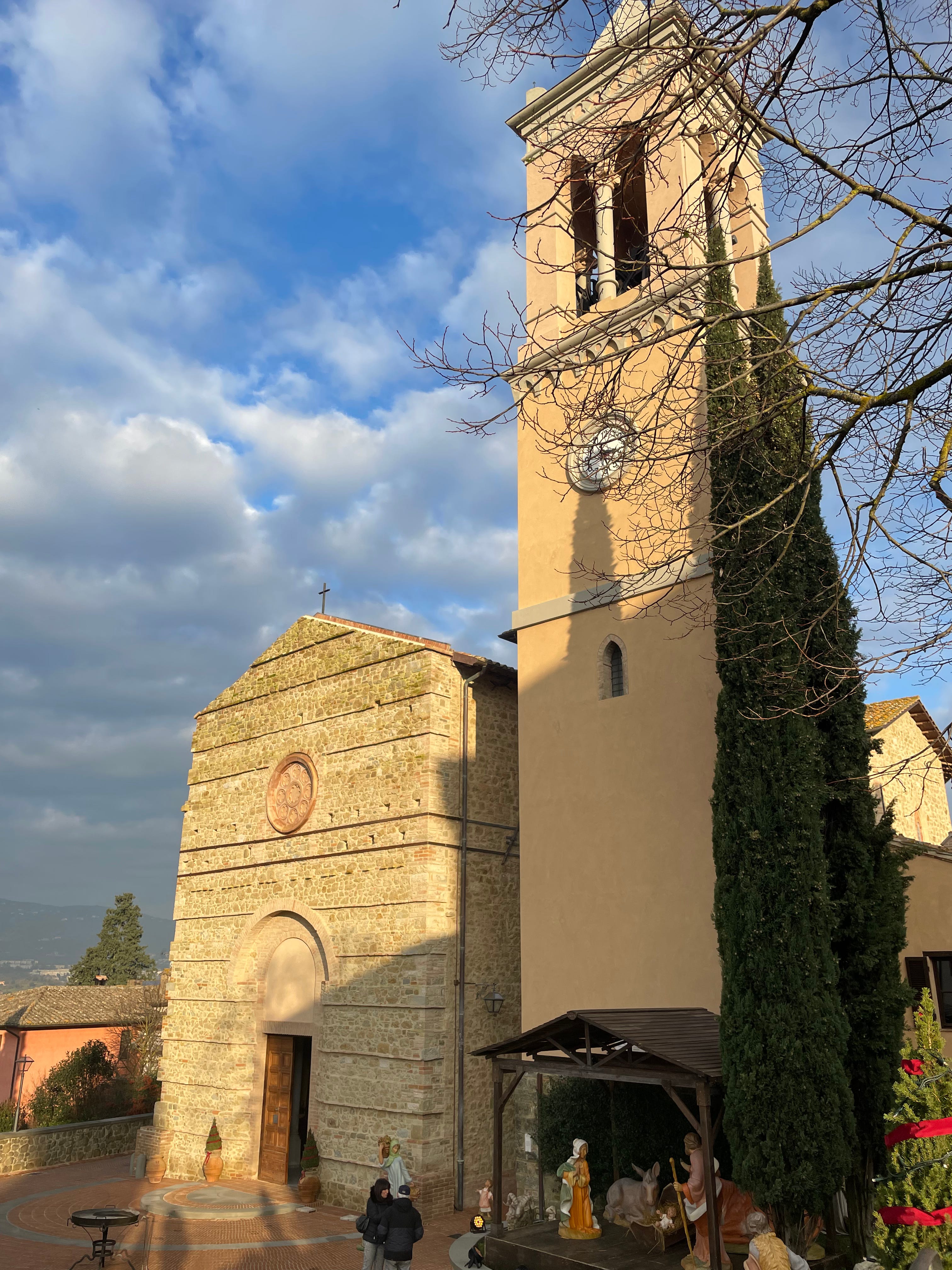
When I visited Solomeo last year, what struck me most wasn’t the cashmere — it was the silence.
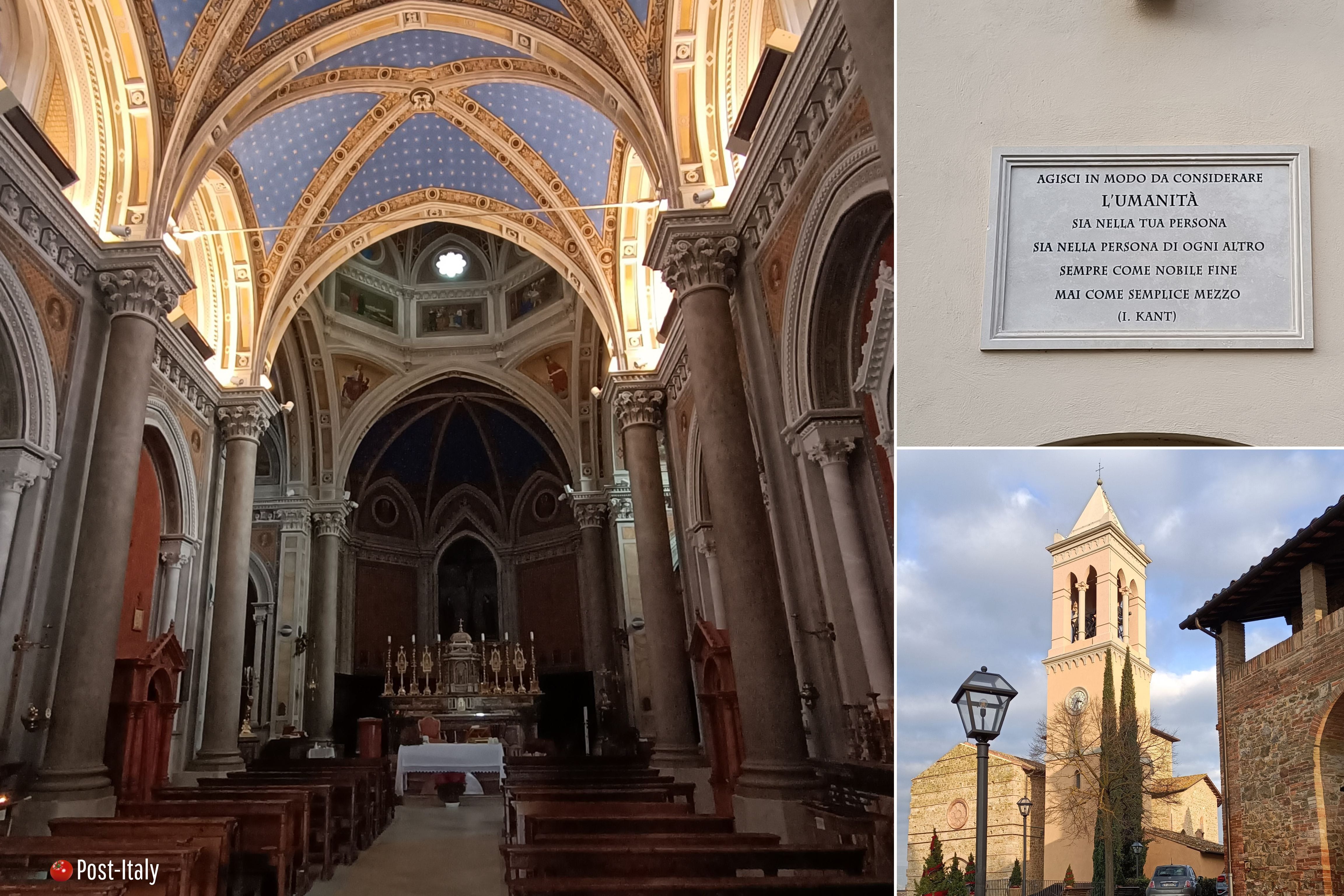
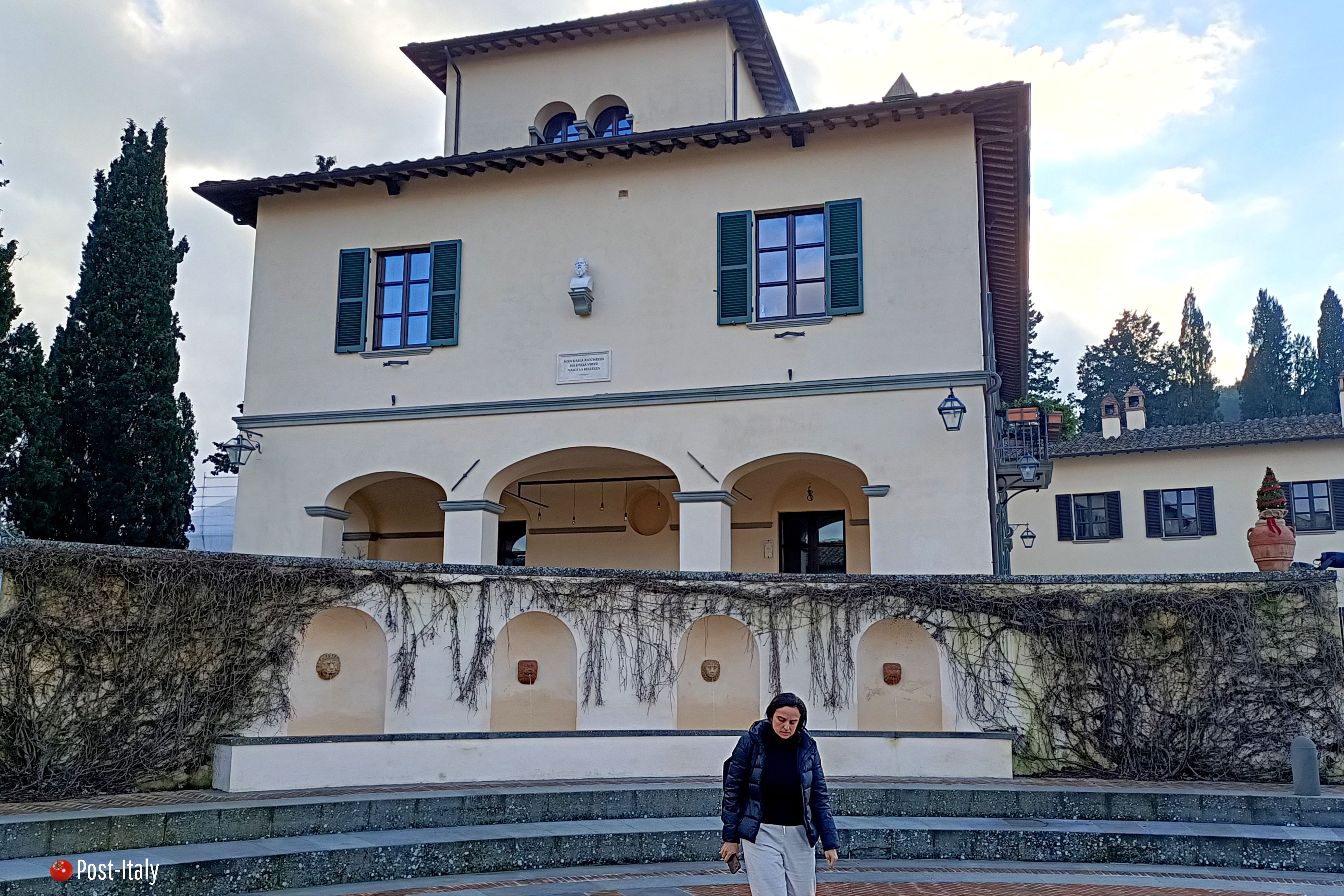
The village resembles a charming tourist setting. The restored buildings have almost Renaissance proportions, as if beauty — not efficiency — governed the decisions.
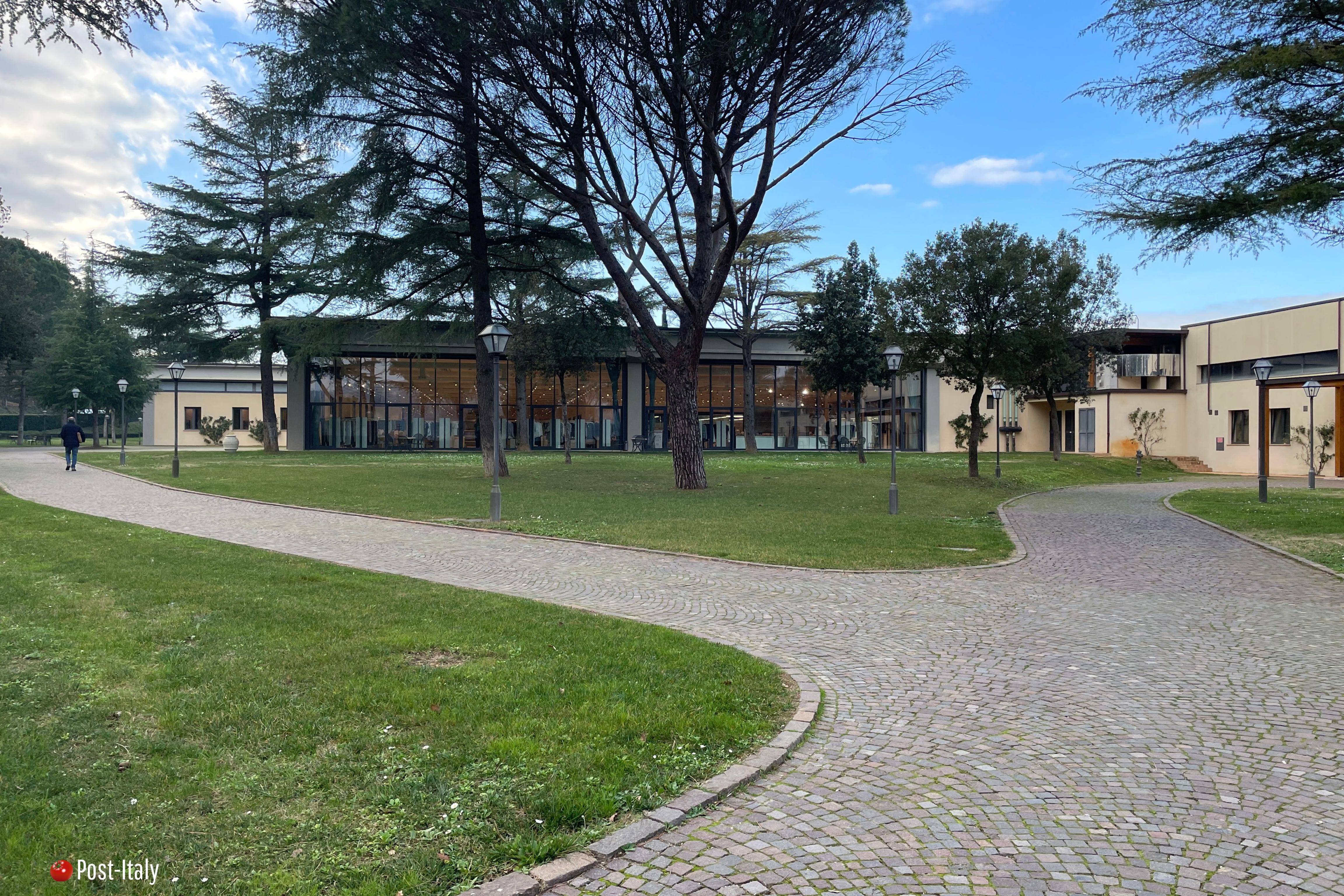
And the most striking thing: no one there speaks of “employees.” They talk about collaborators, but not as corporate jargon; it’s almost literal. The artisan school, the philosophy courses, the theater, the library — none of it seems built for the community, but with the community.
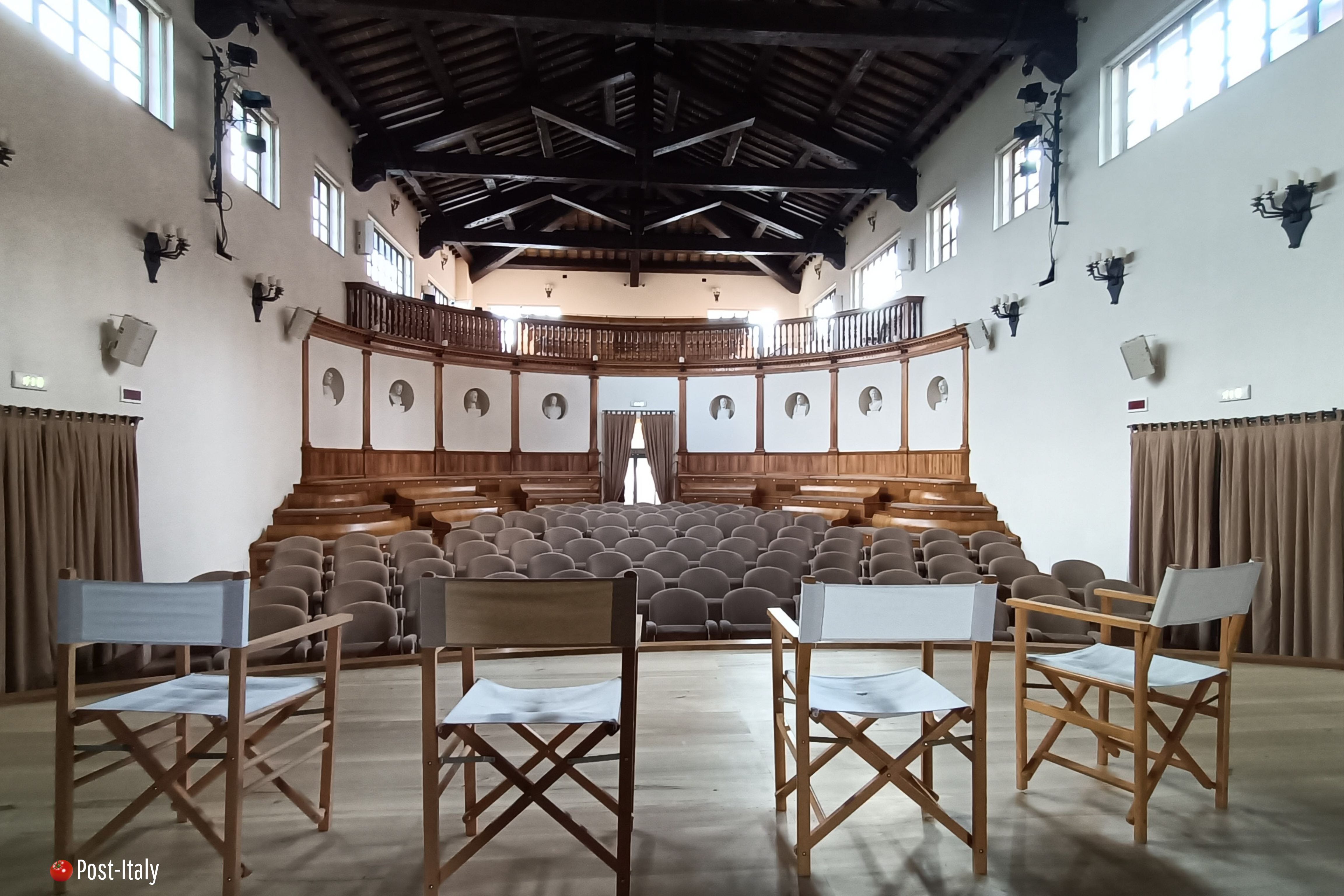
The village is not a brand showcase: it’s a beautiful lived-in place. It’s a bet on the idea that work and culture can share the same roof.
In this microcosm, fashion does not emerge from a production chain: it is born from an affective ecosystem, which in the film earns a soundtrack by Nicola Piovani.
Brunello Cucinelli presents himself as someone trying to reconfigure the role of the company in society — hence his “humanistic capitalism.” The proposal seems simple: dignity for those who work, beauty for those who consume, responsibility toward the land, and a kind of prosperity not measured only by profit margins.
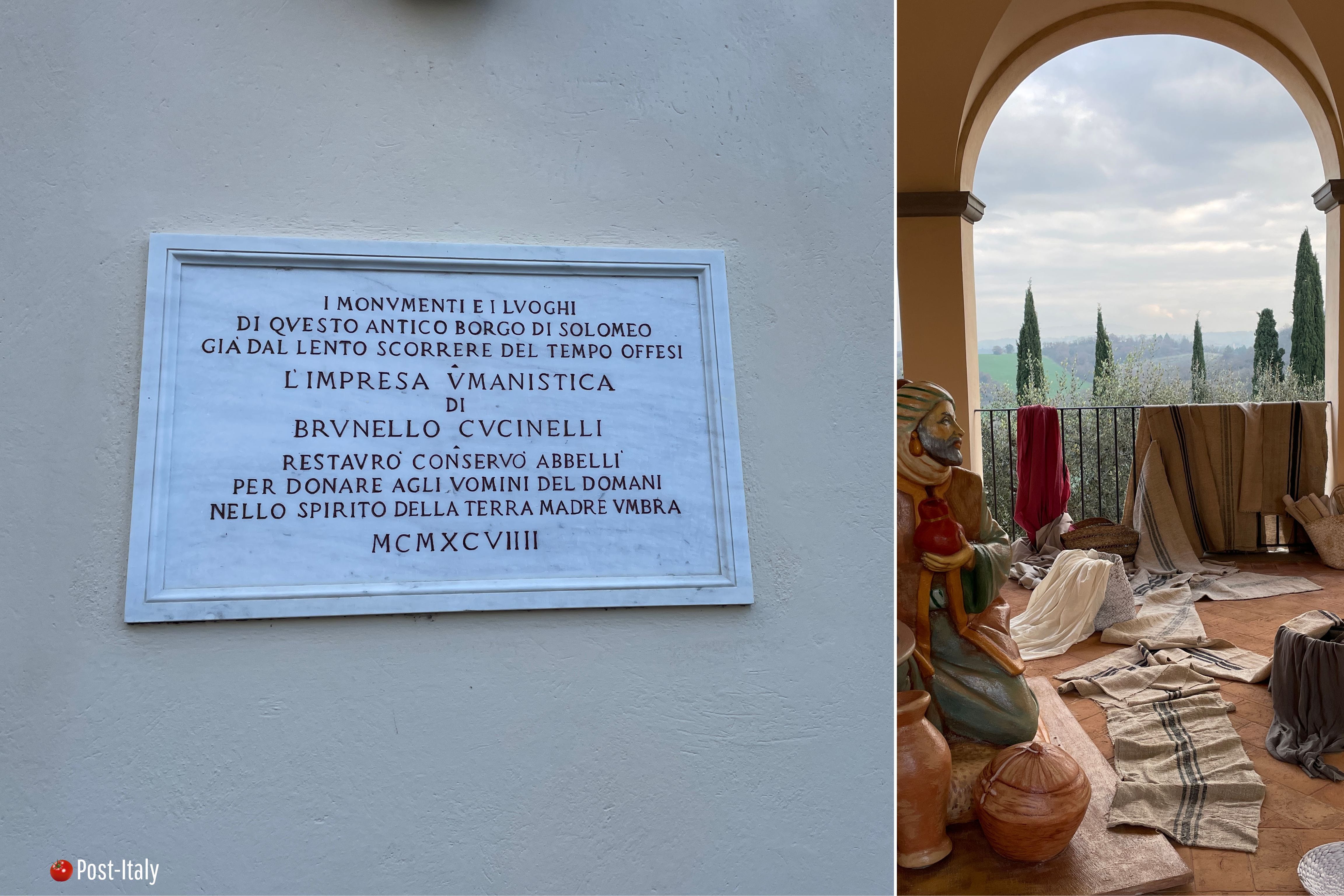
Cucinelli talks about rural life, about the childhood in which he saw his father humiliated at work, about his desire to create an environment where no one needs to bow their head. It is an artisanal ethic: slow, local, communal. The company grows, yes, but he claims it grows like a village that expands its walls only when there are people to live within them.
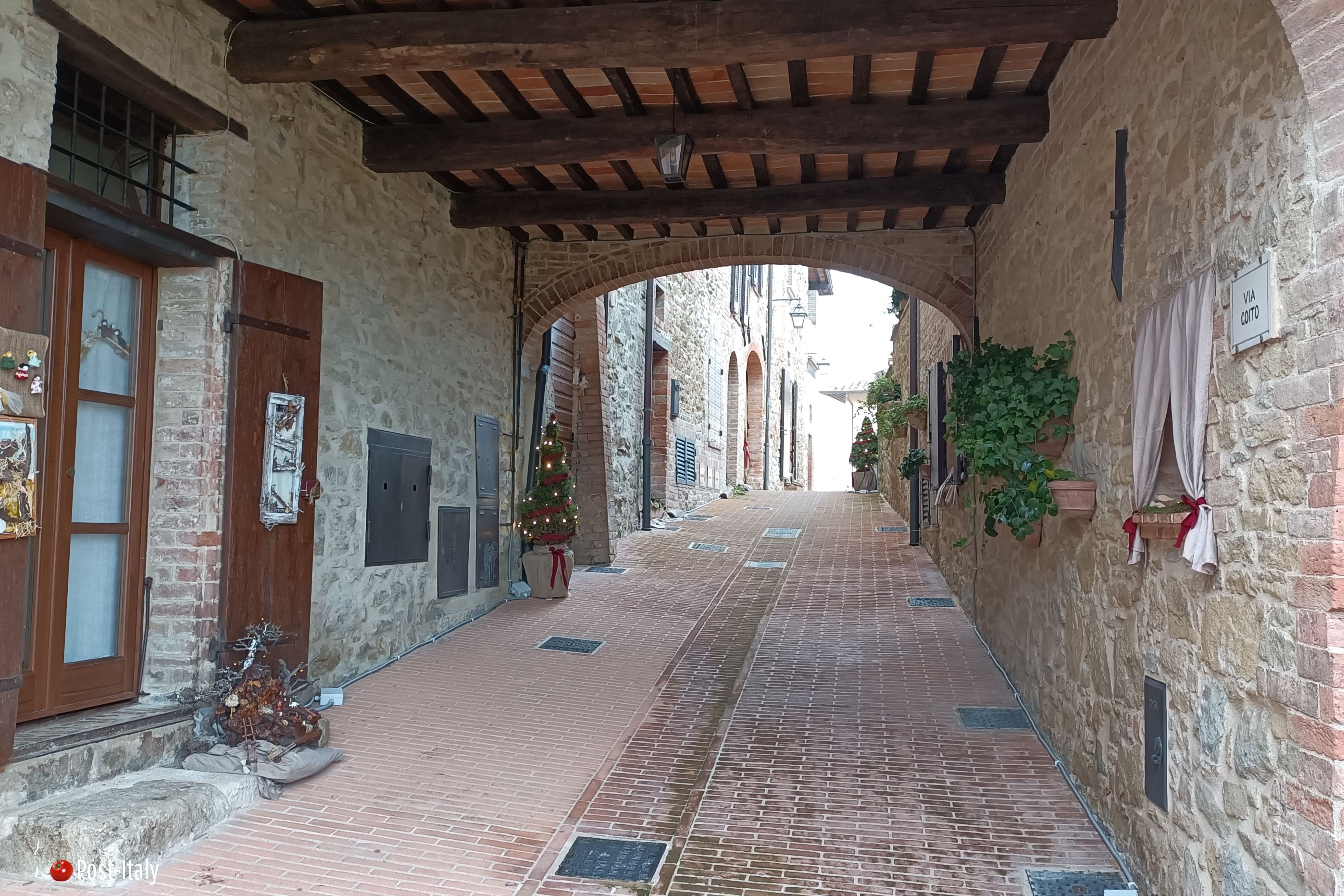
And everything revolves around Solomeo — the village is the narrative and moral heart of the project. It is the antidote to industrial anonymity.
Solomeo as metaphor and also as limit
Solomeo is real, but it is also metaphorical. It symbolizes how capitalism would like to be seen — human, cultured, beautiful. And at the same time, it is proof that this model only works when a perfect combination of circumstances exists: a small territory, a cohesive community, charismatic leadership, products of extremely high added value.
Meanwhile, the Mapuche controversy reminds us that, in most of the world, fashion still depends on processes that do not fit in a Tornatore film.
The point, then, is not to fall into the trap of canonizing Cucinelli. On the contrary: what’s interesting is showing how his project is both inspiring and insufficient — because it cannot address the structural inequalities that the market itself feeds.
Visiting Solomeo helps one understand that Cucinelli, at least in that space, really did manage to create an environment in which work, culture, and community reinforce each other. It’s beautiful, coherent, and perhaps truly a viable model — if the whole world could be a small village in Umbria.
But it isn’t.
And it’s precisely for this reason that we need to look at the other side of wool — where land becomes dispute and territory becomes property.
Between the cashmere born in Solomeo and the wool that comes out of Patagonia, there is more than geographic distance. There are two visions of humanity, two ideas of progress, two economic ethics.
Fashion, in the end, is always telling stories.
The question is: whom does the story serve — and whom does it leave out?